A successful harvest depends on many factors — crop conditions, weather, farming practices and, increasingly, the performance of agricultural machinery.
In 2026, China’s summer grain production exceeded 300 billion kilograms for the first time, reaching a new record. Behind this achievement is the continued development of agricultural mechanisation, with machinery manufacturers investing in technology to help farmers harvest more efficiently and make better use of limited harvesting windows.
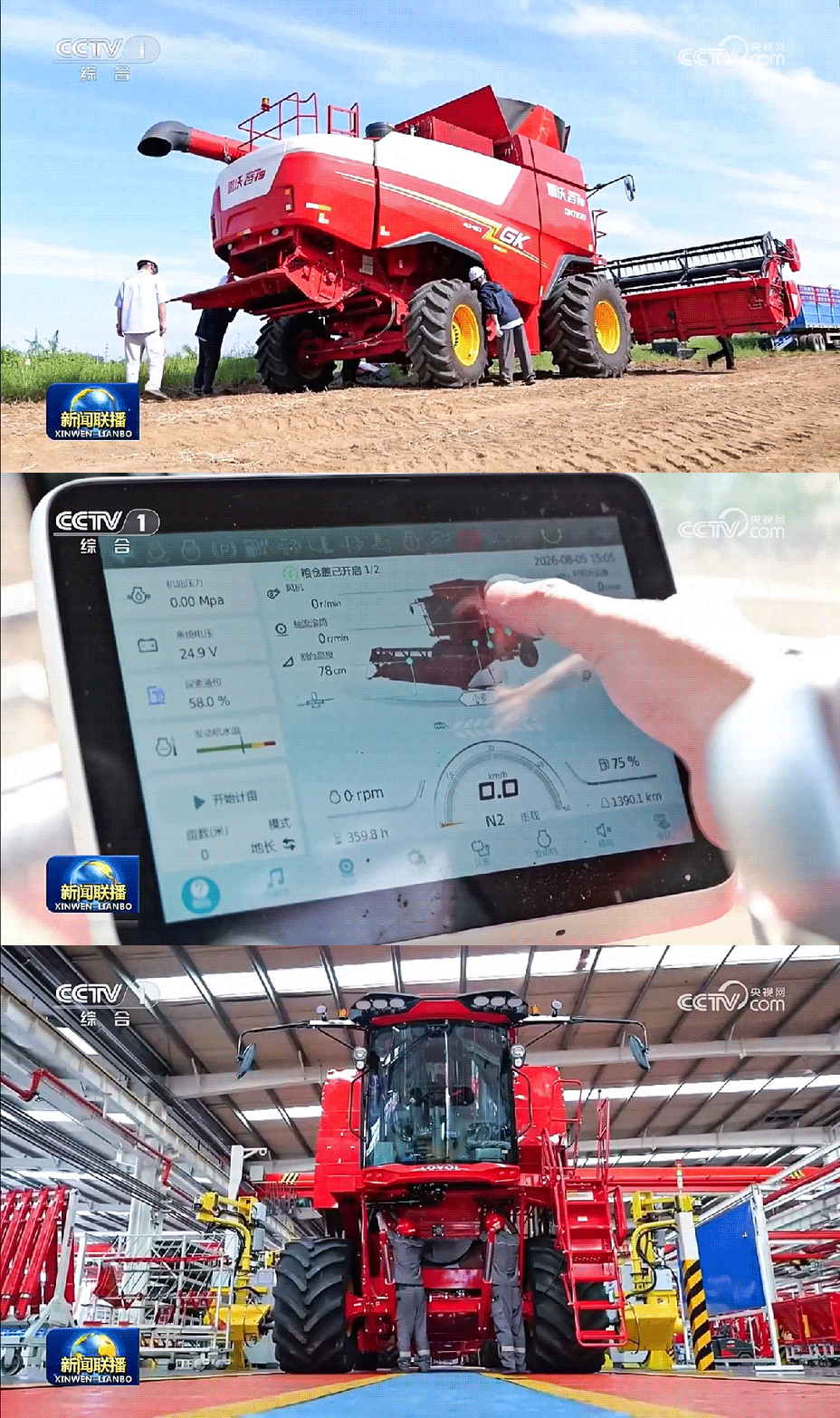
On August 9, China Central Television (CCTV) featured WEICHAI LOVOL’s high-capacity combine harvester technology, highlighting how continuous innovation in agricultural machinery can contribute to more efficient harvesting.
🚜 What Does “16 kg per Second” Mean?
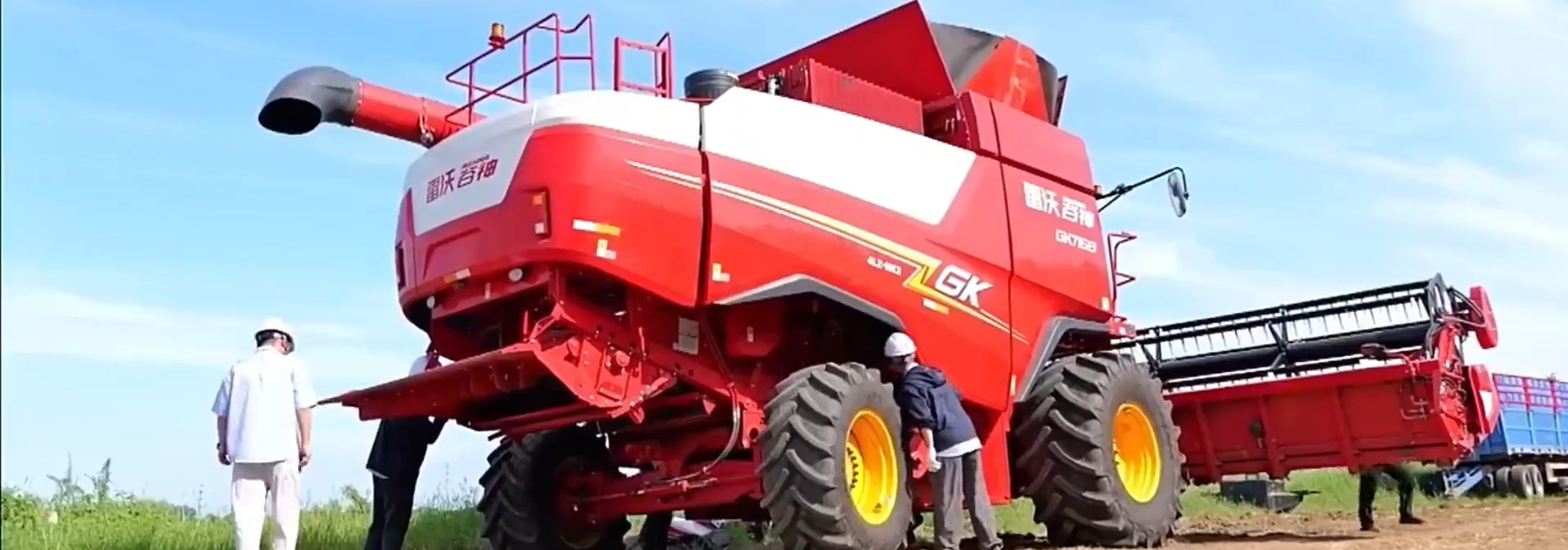
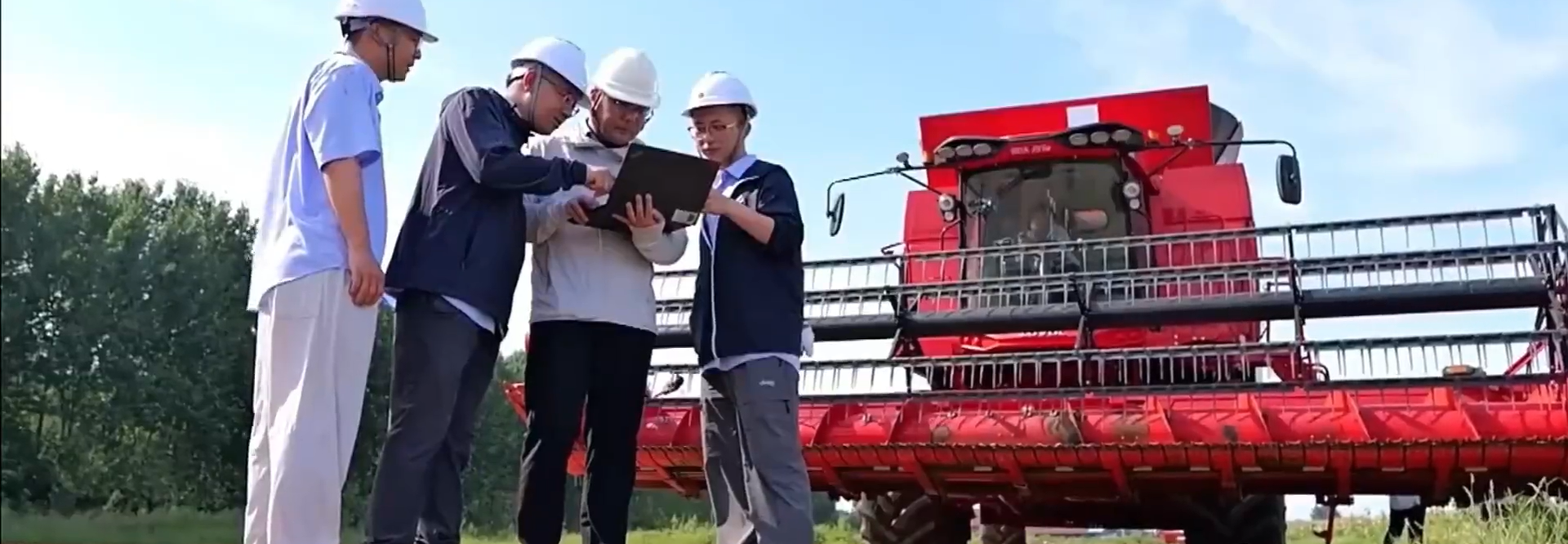
At the WEICHAI LOVOL Smart Agriculture testing base, engineers are conducting field simulation tests on a newly upgraded LOVOL combine harvester.
During testing, the machine achieved a feeding capacity of up to 16 kg per second.
Here, feeding capacity refers to the amount of harvested crop material that can enter the combine harvester’s processing system per second. It is an important technical indicator of a combine harvester’s processing capability and is closely related to overall harvesting efficiency.
The development of combine harvester feeding capacity has been gradual.
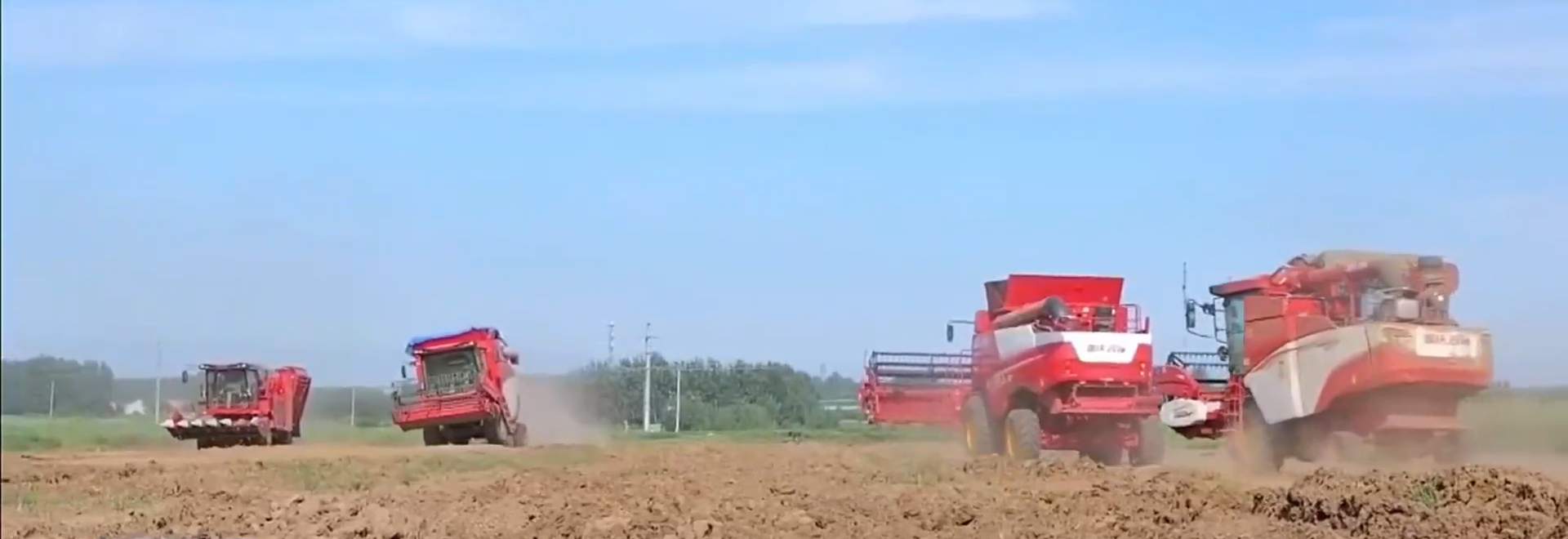
Several years ago, mainstream wheeled combine harvesters in China typically had a feeding capacity of around 6–8 kg per second. From 2021 to 2024, mainstream models increased this figure to approximately 10 kg per second, while since 2025, mainstream models have reached around 12 kg per second.
The latest 16 kg-per-second test represents another step forward in this ongoing technical development.
🌾 Why Does Higher Feeding Capacity Matter?
Harvesting is often a race against time.
Once crops reach the appropriate maturity, farmers need to complete harvesting within a suitable window. Rainfall and other unfavourable weather conditions can affect field accessibility, grain quality and harvesting schedules.
A combine harvester with higher processing capacity has the potential to complete harvesting operations more efficiently under suitable field conditions.
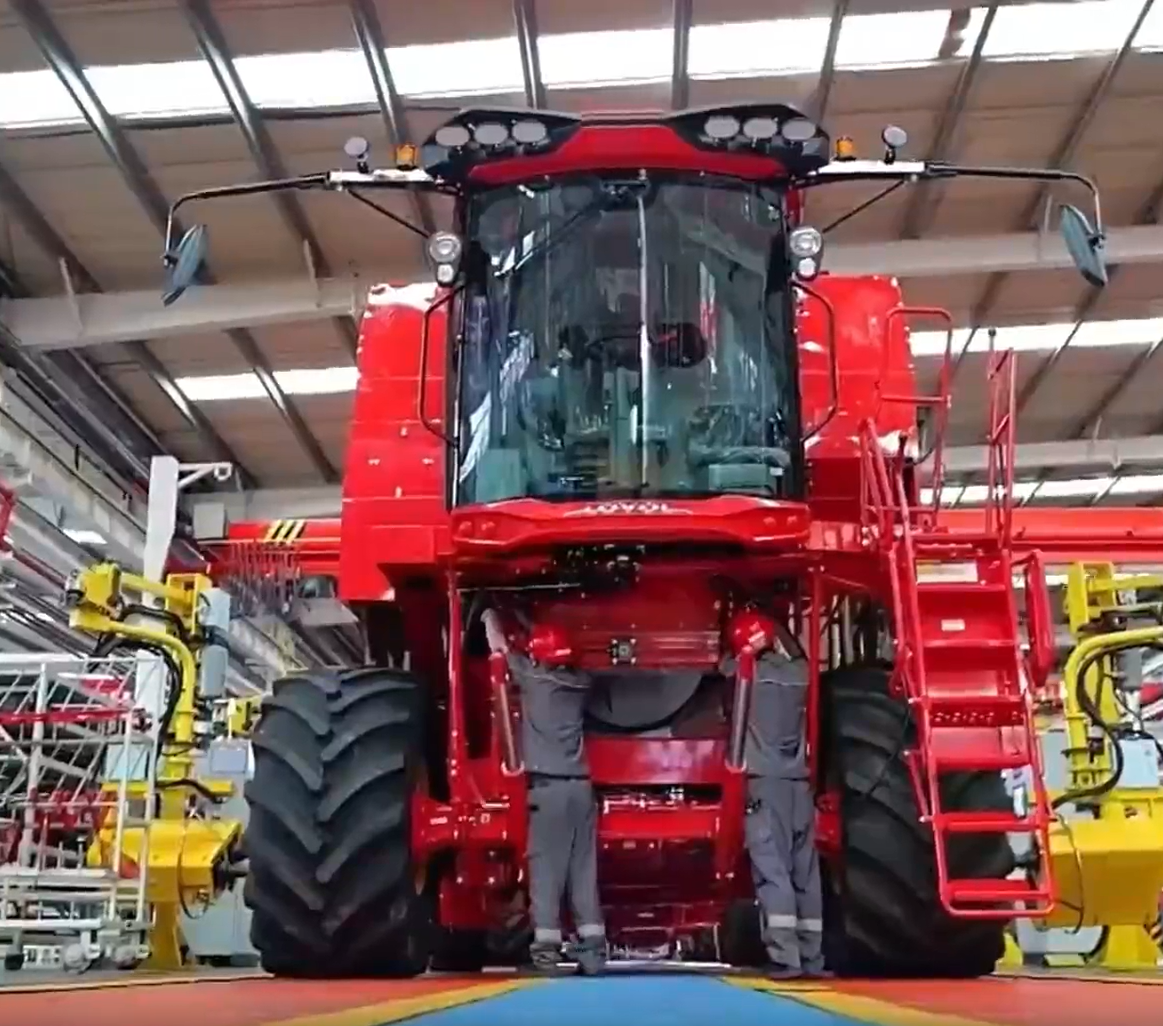
As highlighted by China's Ministry of Agriculture and Rural Affairs, even an increase of a few kilograms per second can become significant when applied across large-scale agricultural operations.
The objective is therefore not simply to build a machine with a larger “appetite”. It is about giving farmers greater harvesting capacity and more flexibility when working within a limited weather window.
🔧 More Capacity Requires More Than a Bigger Machine
Increasing feeding capacity is not achieved simply by allowing more crops to enter the machine.
A combine harvester is a highly integrated agricultural machine. Higher processing capacity requires coordinated improvements across multiple systems, including:
- Feeding system – ensuring crop material enters the machine smoothly and efficiently.
- Threshing system – maintaining effective grain separation as crop throughput increases.
- Cleaning system – helping maintain grain cleanliness and reduce losses.
- Power system – providing stable power for demanding harvesting operations.
- Control and adjustment systems – supporting efficient operation under different crop and field conditions.
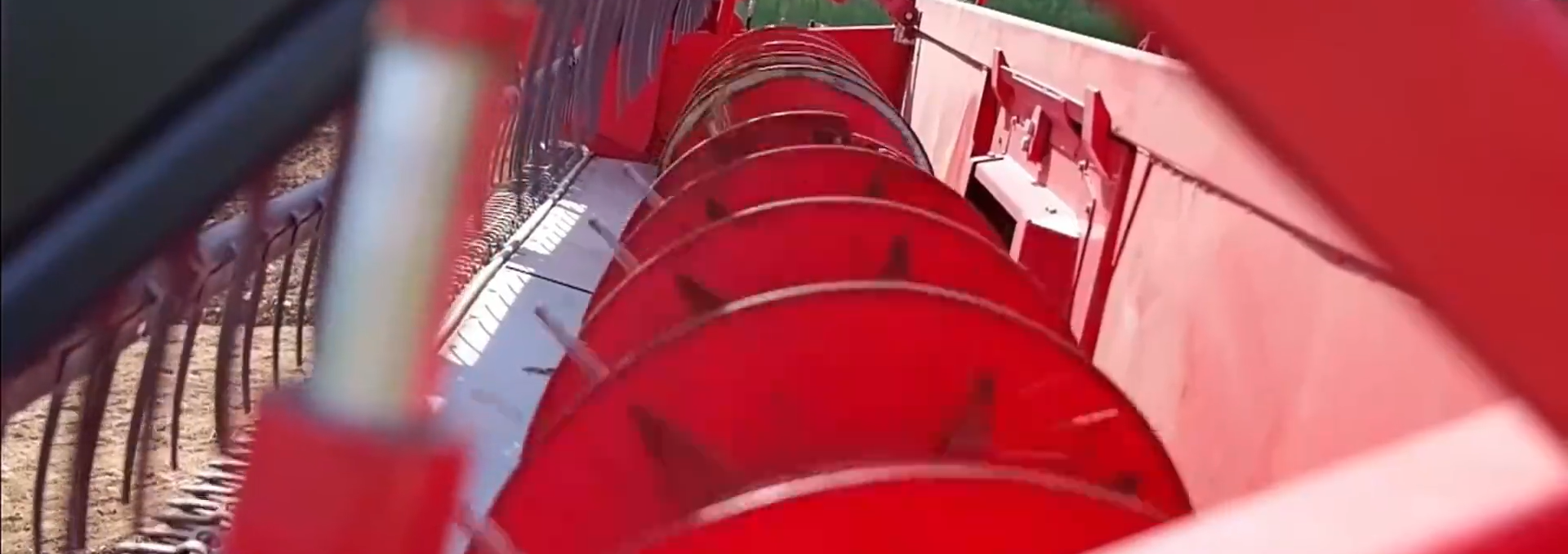
This means that every increase in capacity also places greater demands on the machine’s overall design, power matching, reliability and system coordination.
For WEICHAI LOVOL, continuous testing and product upgrades are part of this broader engineering process.
📈 From 6–8 kg to 16 kg per Second
The evolution of feeding capacity provides a simple way to understand the progress of combine harvester technology in China:
6–8 kg/s → 10 kg/s → 12 kg/s → 16 kg/s in testing
This progression reflects years of engineering development and field-oriented optimisation.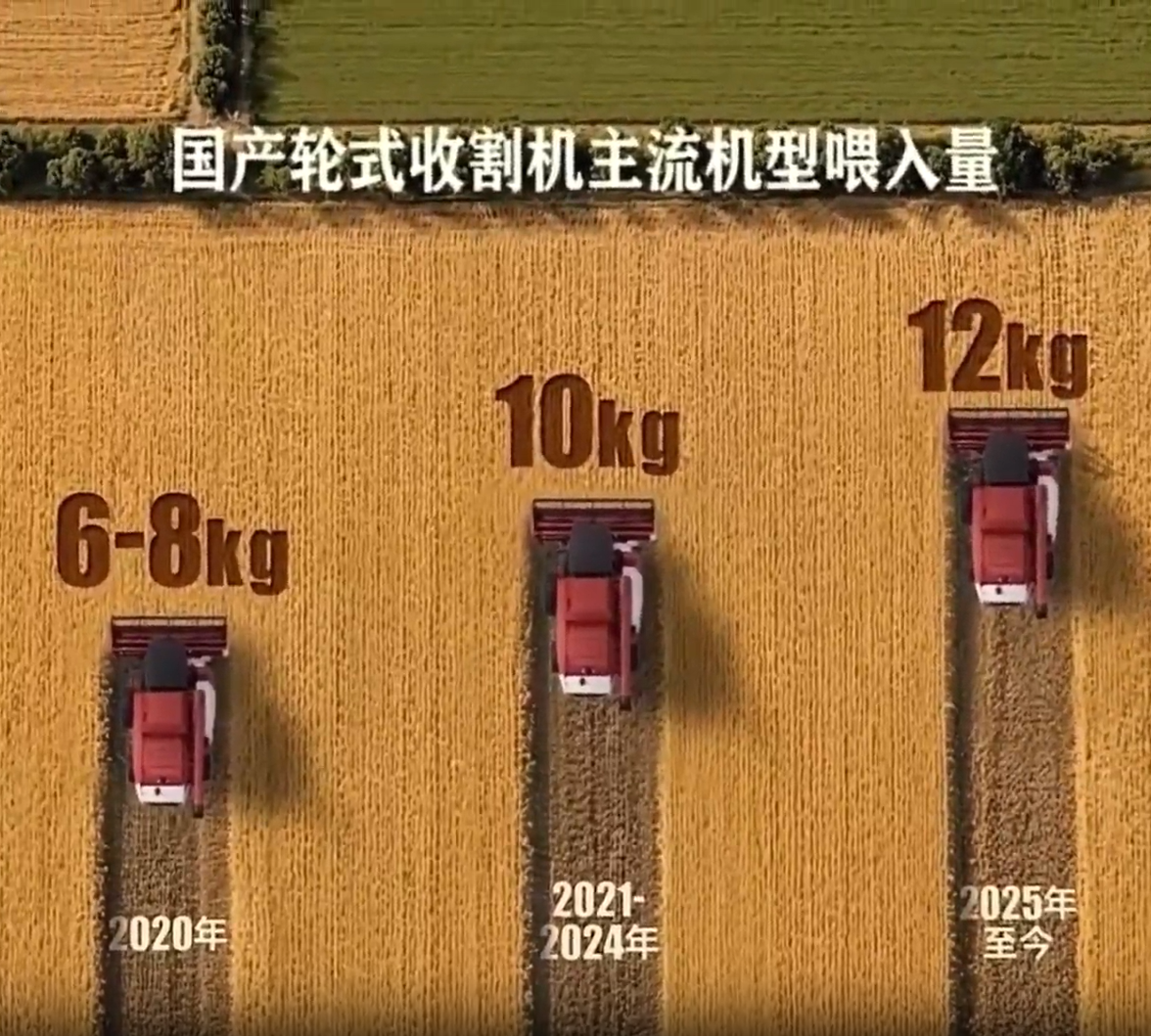
More importantly, the numbers represent a practical objective: enabling harvesting machinery to process more crop material within the same operating window, while maintaining appropriate performance across the machine’s threshing, cleaning and power systems.
For farmers, the value of such innovation ultimately comes down to practical questions:
Can the machine help complete harvesting on time?
Can it maintain stable performance under demanding field conditions?
Can it improve operational efficiency without compromising grain quality?
These are the considerations that make agricultural machinery innovation meaningful.
🌱 What Can This Mean for Modern Farming?
Although farming conditions differ between China and Sri Lanka, the importance of efficient harvesting equipment is widely shared.
Sri Lankan agriculture includes a range of crops, farm sizes and operating environments. Machinery therefore needs to balance productivity, reliability, adaptability and ease of operation rather than focusing on a single performance figure.
The development of high-capacity combine harvesters provides an example of how agricultural machinery can evolve alongside modern farming requirements.
Higher capacity can potentially help operators make better use of suitable harvesting conditions, particularly when the available harvesting window is limited.
At the same time, actual field performance will depend on factors such as crop type, crop yield, moisture content, field conditions, machine configuration and operator experience. Technical specifications should therefore always be considered together with real operating conditions.
🌏 WEICHAI LOVOL: Innovation for Practical Agricultural Needs
The progress of the LOVOL combine harvester is part of WEICHAI LOVOL’s wider approach to agricultural machinery development.
As an agricultural machinery manufacturer, WEICHAI LOVOL focuses on improving equipment performance through engineering innovation, product testing and understanding of real farming requirements.
From tractors and harvesters to broader smart agriculture solutions, the goal is to provide machinery that can support farmers throughout key agricultural operations.
The latest high-capacity combine harvester testing is another example of this approach — taking an established machine platform and continuing to improve its processing capability, efficiency and overall performance.
🌾 Steady Progress Behind Every Harvest
A good harvest is never the result of one factor alone.
It depends on farmers, agronomic practices, suitable weather, field management and reliable agricultural equipment working together.
The development of WEICHAI LOVOL’s high-capacity combine harvesters shows how technology can contribute to this process. From the 6–8 kg-per-second range several years ago to 12 kg per second in mainstream models today, and now testing at 16 kg per second, each step represents continued progress in harvesting technology.
For modern agriculture, “more” is not simply about bigger numbers. It is about making machines more capable, more efficient and more dependable in real field operations.
🚜 Innovation moves forward. Harvest efficiency follows.
As agricultural mechanisation continues to develop in China and international markets such as Sri Lanka, WEICHAI LOVOL will continue to explore practical technologies that help farmers make better use of every harvesting window — supporting more efficient and sustainable agricultural development. 🌱